0
by age 7
Many core money habits are already forming: planning, waiting and weighing choices.
Whitebread & Bingham, University of Cambridge (2013)Long before a payment card, children learn to wait, choose, earn and share. A few minutes a week is enough.

Begged for in the shop, played with for 20 minutes, forgotten by Tuesday.
A tap, a toy, ignored in two days.
Four Jar Days, bought with their own coins, loved all year.
Many core money habits are already forming: planning, waiting and weighing choices.
Whitebread & Bingham, University of Cambridge (2013)Children can start learning to save, spend and share with a parent's help.
U.S. Consumer Financial Protection Bureau (2016)When paying is a tap or a beep, young children can’t see money leave. Coins they can see make it real.
Turn “magic taps” into coins they can see.
Try saying“That beep took 4 coins from my work jar!”
Compare prices with their own jars, instead of begging in the toy aisle.
Try saying“It’s $8. You have $6 in Spend. Two more Jar Days?”
Plan ahead, earn with extra jobs, and watch a Save bonus grow.
Try saying“Want to wash the car this weekend for $4?”
Being part of a family isn’t a job. Only extra jobs earn coins.
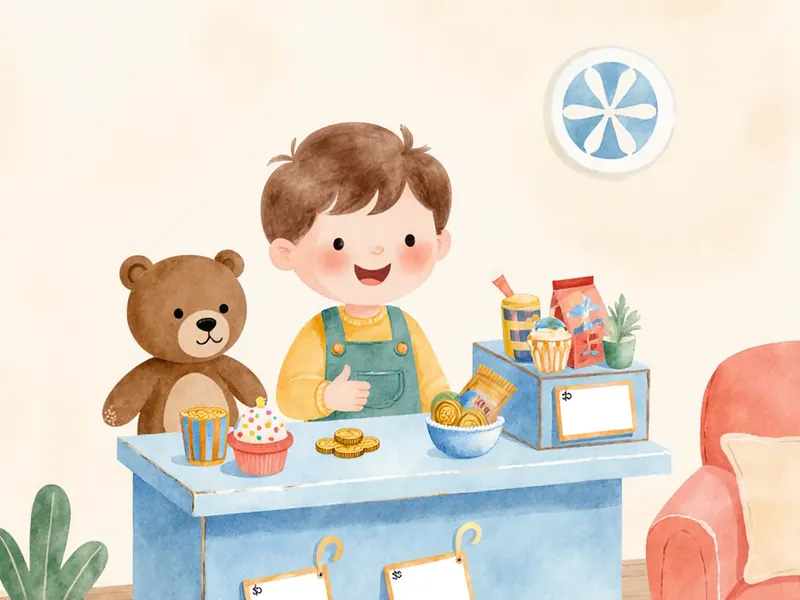
Price toys at 1, 2 or 5 coins and take turns being shopkeeper.
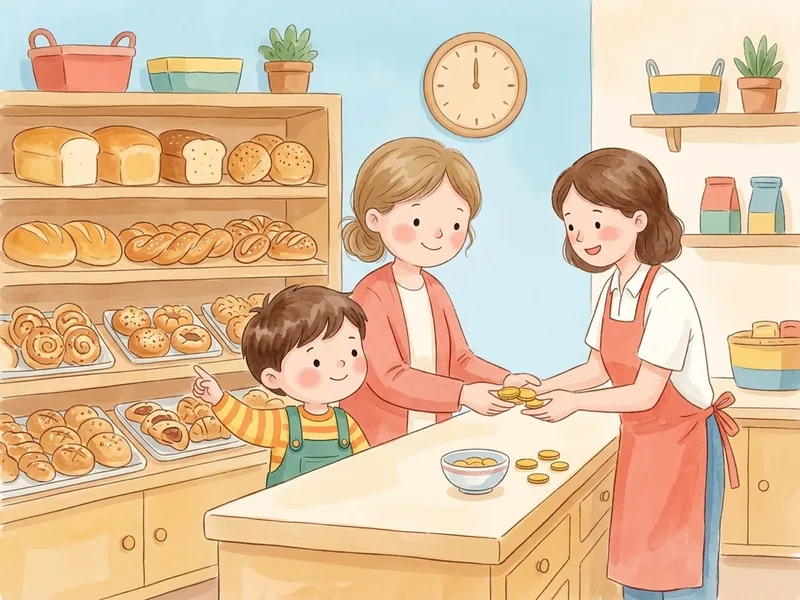
At the bakery, spot who pays by phone, card or cash.
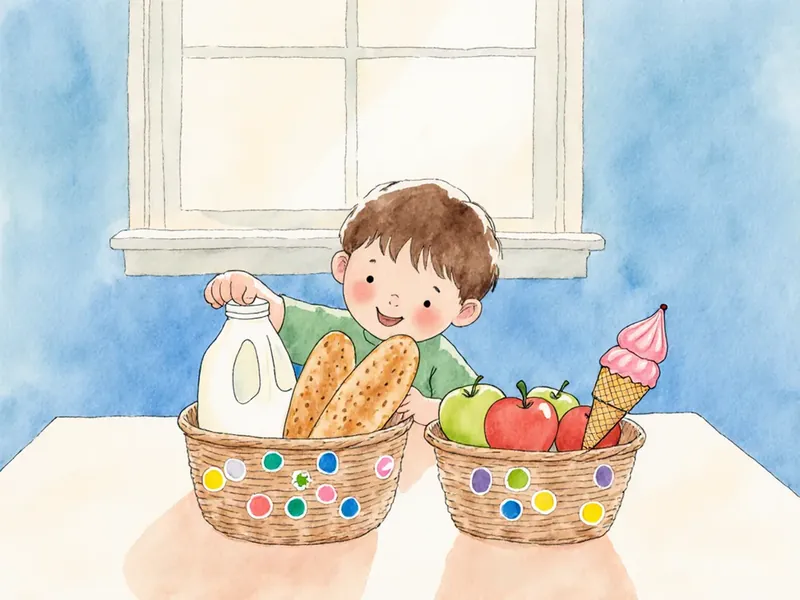
Sort the shopping into needs and wants.
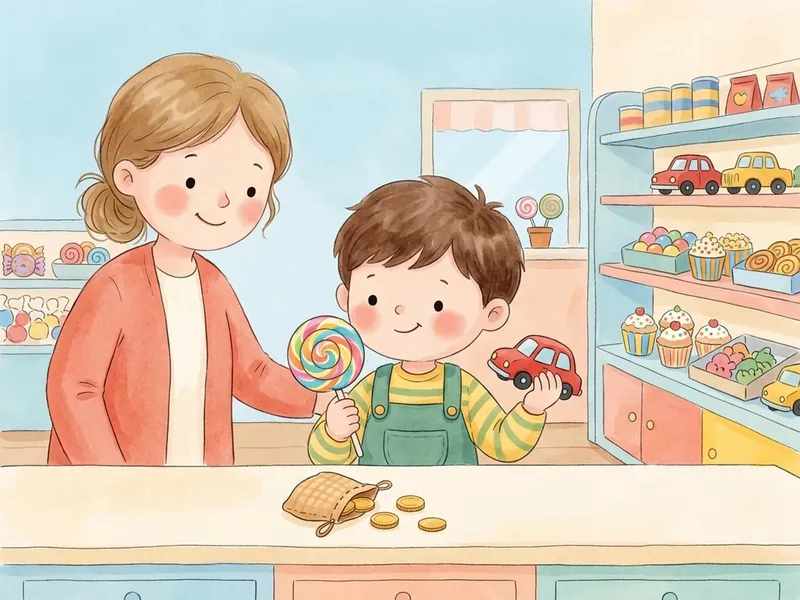
Choose one treat from two with Spend coins.
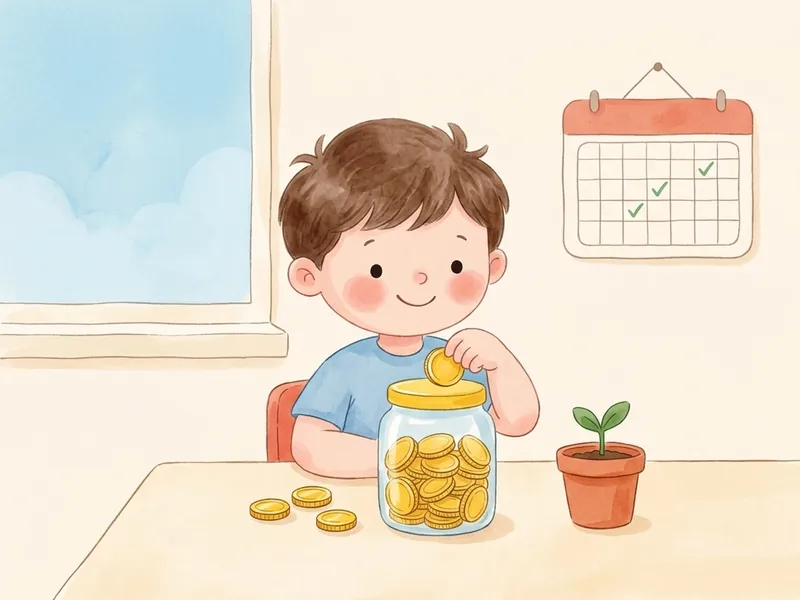
Keep coins in Save all week and see the bonus arrive.

When Give fills up, choose together who to help.